
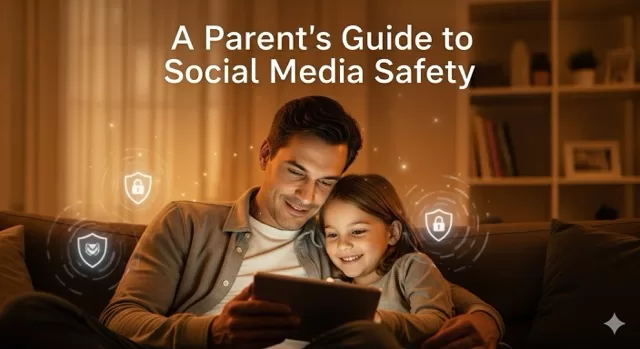
Social media is part of daily life for kids and teens. From TikTok to Instagram to Snapchat, these platforms can be fun ways to connect—but they also come with risks. As a parent, you play a key role in teaching your child how to use social media safely and responsibly. This guide will help you navigate the challenges and set your family up for success.
Why Social Media Safety Matters
While social media can build friendships and creativity, it can also expose kids to:
- Cyberbullying and online harassment
- Privacy risks from oversharing personal information
- Inappropriate content or strangers online
- Addiction and screen time issues
1. Start With Open Conversations
The best defense is communication. Talk to your kids about:
- What apps they’re using and why
- How they feel when using social media
- The importance of treating others with respect online
Encourage them to come to you if something makes them uncomfortable.
2. Teach Privacy Basics
Show your kids how to:
- Keep accounts set to private
- Avoid posting personal details like addresses, school names, or vacation plans
- Use strong, unique passwords
- Enable two-factor authentication where available
3. Set Clear Boundaries
Create family rules around social media use, such as:
- What times of day it’s allowed (e.g., no phones at dinner or before bed)
- Which apps are appropriate for their age
- How much daily screen time is healthy
4. Monitor, But Don’t Spy
Younger kids may need closer supervision, but as children grow, respect their privacy while guiding them. Consider:
- Parental control tools to set limits
- Following your child’s account (with their knowledge)
- Checking in regularly rather than secretly monitoring everything
5. Teach Kids to Spot Red Flags
Help your child recognize signs of danger online, such as:
- Strangers asking for personal information or photos
- Pressure to keep conversations secret
- Bullying, mean comments, or exclusion
Teach them to block, report, and tell a trusted adult.
6. Be a Role Model
Kids learn from what you do. Show them healthy online habits by:
- Taking breaks from your own screen time
- Being respectful in your digital interactions
- Prioritizing face-to-face family time
SafeTechGuide
Social media isn’t going away—it’s a big part of how kids socialize today. By having open conversations, setting boundaries, and teaching safe online practices, you can give your children the tools they need to navigate social media confidently and safely.
Leave a Reply
You must be logged in to post a comment.