
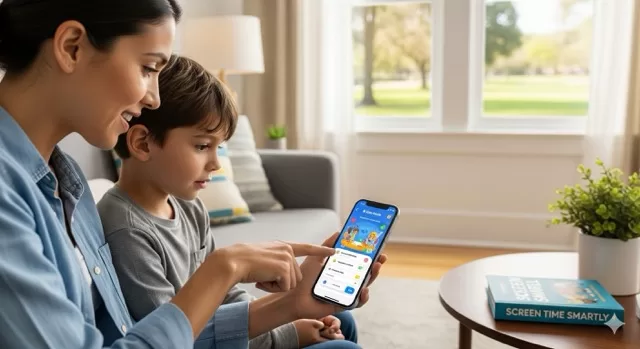
For many parents, deciding when (and what) smartphone to give their child can feel overwhelming. On one hand, a phone offers safety, connection, and learning opportunities. On the other, it introduces new challenges—screen time, online risks, and distractions. If you’re considering buying your child their first smartphone, this guide will help you make a smart, safe choice.
1. Start with the “Why”
Before looking at models or price tags, ask yourself: Why does my child need a phone?
- Safety and emergencies?
- Staying in touch after school?
- Access to apps and learning tools?
Clarifying the purpose will guide your decision and set expectations for how the phone should be used.
2. Choose Between a Basic Phone and a Smartphone
Not every child needs a fully-featured smartphone right away.
- Basic phone (or “dumb phone”): Good for calls and texts only. Great for younger kids.
- Entry-level smartphone: Allows messaging apps, GPS tracking, and some limited browsing. Best for middle schoolers.
- Full-feature smartphone: Suitable for older teens who are ready for more responsibility.
3. Consider Built-In Parental Controls
Look for devices and carriers that offer strong parental control features, such as:
- App store restrictions
- Screen time limits
- Location sharing
- Call and text monitoring
Both iOS (Apple) and Android devices have built-in parental tools, and many carriers provide add-on family safety apps.
4. Prioritize Durability
Children are more likely to drop or misplace their devices. To save yourself stress (and money):
- Choose a sturdy device with a protective case.
- Consider water-resistant models.
- Look into insurance or extended warranty plans.
5. Balance Cost and Features
A first phone doesn’t need to be the newest flagship model. Affordable, mid-range devices often provide everything your child needs. Some options to consider:
- Refurbished or certified pre-owned phones
- Budget-friendly Android models
- Hand-me-downs from family members
6. Set Digital Ground Rules Early
No matter which phone you choose, setting expectations is just as important as the device itself. Create a family tech agreement that covers:
- Daily screen time limits
- No-phones-at-the-dinner-table rule
- Consequences for misuse (e.g., inappropriate apps or excessive screen time)
7. Teach Online Safety
A phone isn’t just a device—it’s a gateway to the internet. Before handing it over, talk to your child about:
- Avoiding oversharing on social media
- Recognizing online scams and phishing attempts
- Speaking up if they encounter cyberbullying
SafeTechGuide
Choosing your child’s first smartphone doesn’t have to be stressful. By thinking carefully about your child’s maturity, setting clear expectations, and selecting a phone with safety features, you can turn the moment into a positive milestone—one that keeps your child connected and protected.
Leave a Reply
You must be logged in to post a comment.